
बीजिंग से आई एक छोटी-सी वीडियो क्लिप ने पूरी दुनिया के strategic circles में हलचल मचा दी है। People’s Liberation Army Navy (PLAN) ने अपनी 77वीं anniversary पर जो footage जारी की, वो सिर्फ celebration नहीं थी—वो एक संकेत था। एक message। एक warning भी, अगर आप इसे उस नजर से देखें।इस वीडियो के बाद जो सबसे बड़ा सवाल उठा, वो ये है:क्या China अपना पहला nuclear-powered aircraft carrier बनाने जा रहा है
taazanews24x7.com
अगर इसका जवाब “हाँ” है, तो ये सिर्फ एक नई military asset नहीं होगी—ये global naval balance को reshape करने वाला move हो सकता है।
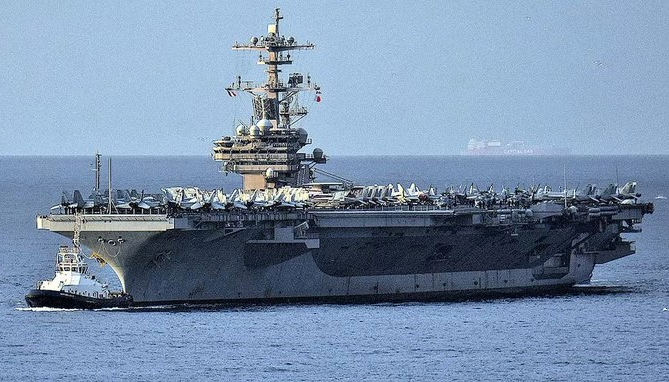
शुरुआत: Video में ऐसा क्या दिखा?
पहली नजर में वीडियो एक सामान्य naval tribute जैसा लगता है—ships, jets, drills, coordinated movements। लेकिन defense analysts का काम ही है “between the lines” पढ़ना।
वीडियो में कुछ frames ऐसे थे जहाँ:
- Large deck structure का glimpse मिला
- Advanced launch system के संकेत दिखे
- और सबसे अहम—design cues जो conventional carriers से अलग लगे
यही से speculation शुरू हुआ कि ये कोई Type 004 aircraft carrier project हो सकता है।
China का Carrier Program: एक Quick Timeline
China ने aircraft carrier capability overnight develop नहीं की। ये एक carefully planned, step-by-step evolution है:
1. Liaoning (Type 001)
- Originally Soviet-era ship
- Training + शुरुआती operational experience के लिए इस्तेमाल
- Ski-jump launch system
2. Shandong (Type 002)
- First indigenously built carrier
- Improved design लेकिन अभी भी conventional limitations
3. Fujian (Type 003)
- Game changer
- EMALS (Electromagnetic Aircraft Launch System)
- Larger deck, heavier aircraft capability
और अब…
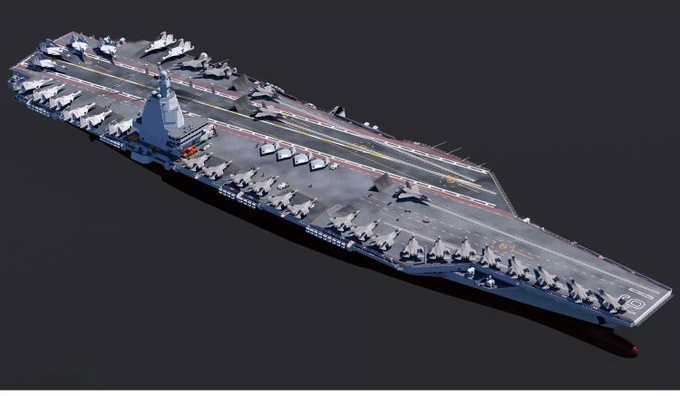
4. Type 004 (Speculated Nuclear Carrier)
- Massive displacement
- संभावित nuclear propulsion
- Global deployment capability
Nuclear Power: Game Changer क्यों है?
अब सवाल ये है कि nuclear propulsion इतना बड़ा deal क्यों है?
1. Unlimited Range
Conventional carriers को हर कुछ समय में refueling की जरूरत होती है। Nuclear carrier?
सालों तक समुद्र में रह सकता है without refueling.
2. Sustained High-Speed Operations
Nuclear reactors massive energy generate करते हैं, जिससे ship लगातार high speed maintain कर सकता है—जो combat scenarios में critical होता है।
3. Bigger Air Wing
ज्यादा power = ज्यादा systems = ज्यादा aircraft operations
यानी एक floating airbase।
4. Logistics Advantage
Fuel tankers और support ships पर dependency कम हो जाती है—जिससे operational flexibility बढ़ती है।
120000 Ton & 100 Fighter Jets: Reality या Overhype?
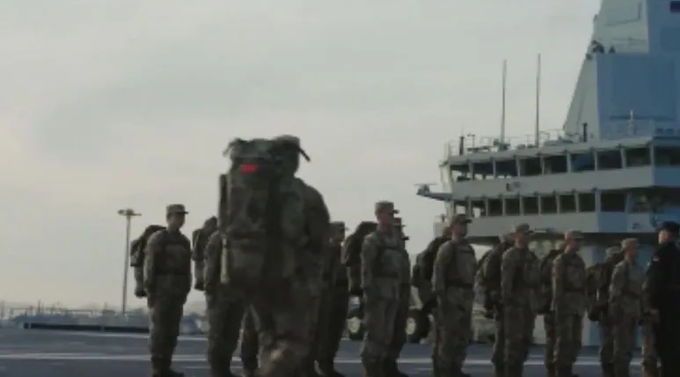
Reports और estimates के हिसाब से:
- Displacement: 100,000 से 120,000 tons
- Aircraft Capacity: 80–100 jets
- Technology: Advanced EMALS + संभवतः next-gen radar systems
अगर ये specs accurate हैं, तो ये carrier सीधे तौर पर American supercarriers को challenge करेगा।
Comparison: US vs China Naval Power
इस domain में अभी भी leader है United States।
US Navy के पास:
- Multiple nuclear-powered carriers
- Global deployment experience
- Advanced battle group integration
सबसे advanced example:
USS Gerald R. Ford
China अभी catch-up mode में है, लेकिन speed देख कर लगता है कि gap तेजी से कम हो रहा है।
Indo-Pacific: Why It Matters Most
Indo-Pacific आज global geopolitics का केंद्र है।
यहाँ stakes high हैं:
- Trade routes
- Energy supply lines
- Strategic chokepoints
China अगर nuclear carrier deploy करता है, तो:
South China Sea
Already contested region—China की dominance और मजबूत होगी।
Taiwan Strait
Military pressure significantly बढ़ सकता है।
Indian Ocean Region (IOR)
यही वो जगह है जहाँ India और China का strategic overlap होता है।
🇮🇳 India’s Position: Challenge या Opportunity?
India इस development को ignore नहीं कर सकता।
India के पास अभी:
- INS Vikramaditya
- INS Vikrant
दोनों conventional powered हैं।
Key Limitations:
- Range constraints
- एयर ऑपरेशन capacity सीमित
- Continuous deployment मुश्किल
Future Plans:
India भी nuclear-powered carrier पर विचार कर रहा है, लेकिन:
Technology complexity
Budget constraints
Strategic priorities
इन सबकी वजह से progress slow है।
Strategic Intent: China क्या चाहता है?
China का long-term goal साफ दिखता है:
Blue Water Navy बनना
इसका मतलब:
- सिर्फ coastal defense नहीं
- बल्कि global presence
- दूर-दराज़ क्षेत्रों में sustained military operations
Aircraft carriers इस strategy का backbone होते हैं।
क्या ये Arms Race शुरू करेगा?
Short answer: Already शुरू हो चुका है।
संभावित असर:
- US naval expansion
- India की modernization push
- Japan और Australia की military upgrades
यानी Indo-Pacific एक high-intensity strategic theatre बनता जा रहा है।
Risk Factors: क्या खतरे भी हैं?
हर power expansion के साथ risks आते हैं:
Escalation Risk
More carriers = more confrontation points
Accidental Conflict
Close naval operations → miscalculations
Economic Pressure
Nuclear carriers extremely expensive होते हैं
Expert Take: Signal या Show?
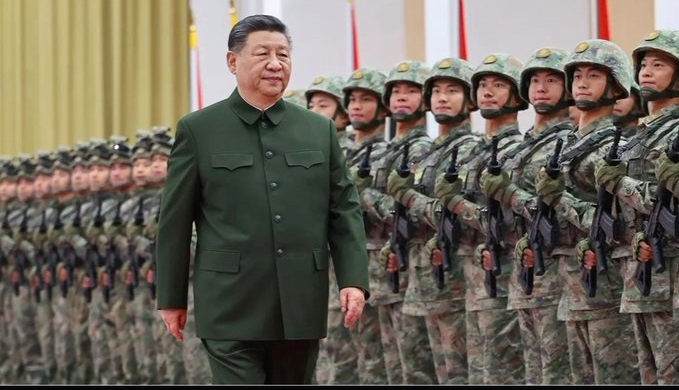
कुछ analysts का मानना है कि:
यह video “psychological signaling” भी हो सकता है
China अपनी capability से ज्यादा perception build कर रहा है
लेकिन history बताती है—
China जो दिखाता है, उसे eventually बना भी देता है।
Conclusion: Power Shift Underway?
China का चौथा aircraft carrier एक simple defense project नहीं है। यह एक strategic statement है।
We are ready to operate globally.”
अगर nuclear propulsion confirm हो जाता है, तो:
- Naval balance shift होगा
- Indo-Pacific dynamics बदलेंगे
- और global military competition का नया phase शुरू होगा
अब दुनिया इंतजार कर रही है—
official confirmation का।
🇨🇳 El cuarto portaaviones de CHINA sería NUCLEAR.
— China en Español (@ChinaEnEsp) April 24, 2026
Actualmente en construcción en Dalian con el casco completo, el progreso general ya está al 25% realizado. Con 120,000 toneladas, el más grande del mundo, puede transportar 105 cazas J-35/15T junto con KJ-600 AWACS, proyectado… pic.twitter.com/0UBYMK7JYY